Choosing compatible bearings and conveyor accessories is critical when building new conveyor lines or replacing worn‑out spare parts. Incorrect dimension or improper material selection will cause short service life, frequent breakdown and extra maintenance expenditure. This guide shares practical points for your component purchasing decisions.
First, confirm core dimension parameters for bearings. Inner diameter, outer diameter and thickness are three basic indicators. Standard deep‑groove ball bearings follow universal industry standards. For non‑standard size requirements, verify actual measured data from original equipment instead of only referring to old model numbers. Besides dimensions, working conditions decide bearing material: carbon‑steel bearings suit general indoor conveying; stainless‑steel versions apply to wet, dusty or light‑corrosion environments; PU coated bearings perform well where noise reduction and anti‑impact performance are required. Pillow block UC series bearings are widely adopted for heavy‑duty belt conveyor installations with easy mounting features.
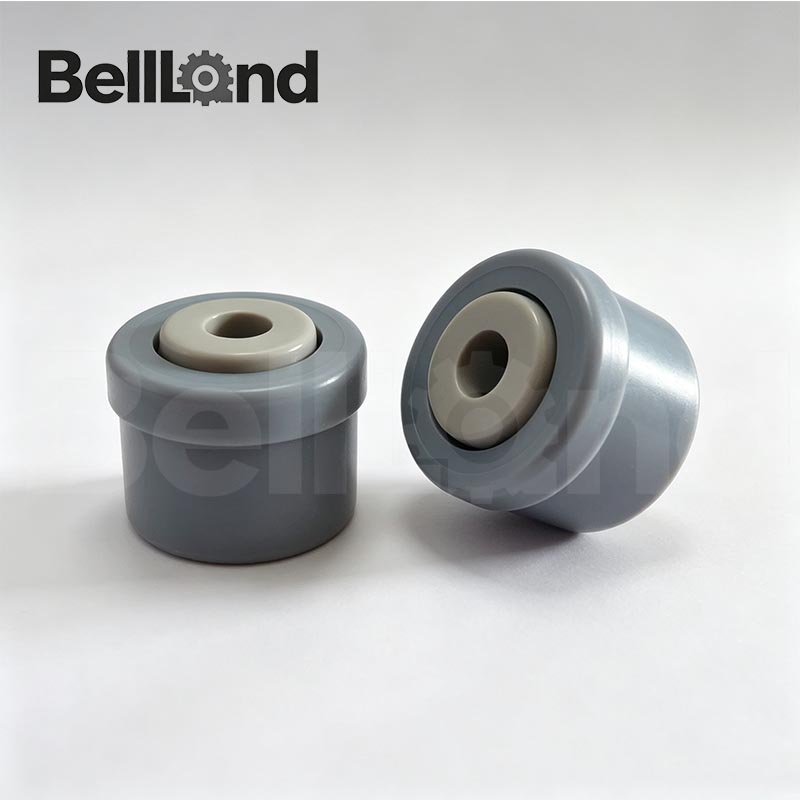
Second, match supporting conveyor and transmission accessories. Conveyor rollers, roller end caps, sprockets, timing pulleys, taper lock bushes and flow wheels work cooperatively within whole material‑handling systems. Roller end caps cannot be ignored: good sealing performance keeps dust out of roller internal chambers. Sprockets and pulleys need correct tooth profile and bore size to fit driving shafts. Mismatched transmission parts lead to jump‑tooth, noise and power loss during operation.
Global B2B buyers often face trouble finding one‑stop suppliers covering bearings, roller parts and transmission hardware. Mixed‑batch orders of multiple different SKUs are common for project‑based customers. Our product range covers miniature bearings up to heavy‑load UC bearings, together with full‑series roller end caps, PU rollers, sprockets, pulleys and related fittings. We serve wholesalers, equipment manufacturers and maintenance contractors worldwide.
Before placing bulk orders, clarify your actual working environment: load weight, running speed, temperature, dust level and whether water or chemical exposure exists. Share equipment photos or original‑part dimension data if possible; this helps avoid ordering incompatible spare parts.
Reliable spare‑part sourcing improves your conveyor‑line efficiency. Suitable bearings and matched auxiliary accessories help your material‑handling equipment run steadily with less frequent replacement work.
-1-768x1024.png)